Insights

This text briefly introduces the content in the page.

How (and why) I’m helping everyone learn more about menopause

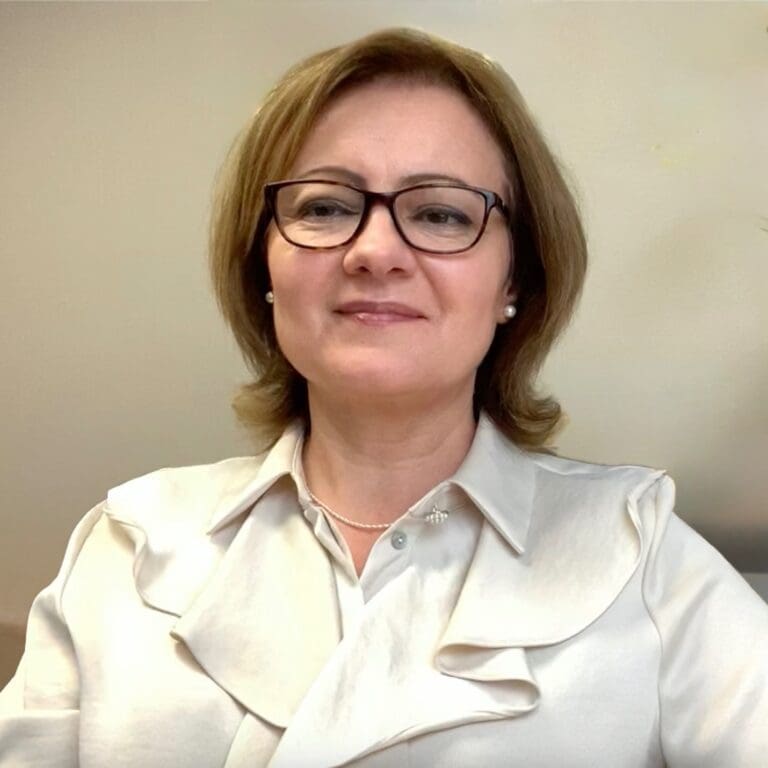
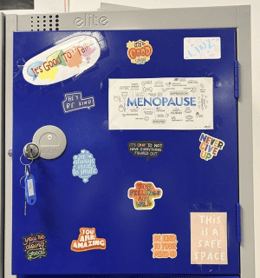
Linsey Lee, a Support Worker in the Adult Social Care Mental Health Team at Blackpool Council, shared a lovely story with us recently – and it’s a brilliant example of how one simple act can make such a difference. She’s now on a mission to help men and women in the workplace learn more about
Why we eat the way we do at work (and how to make it easier)

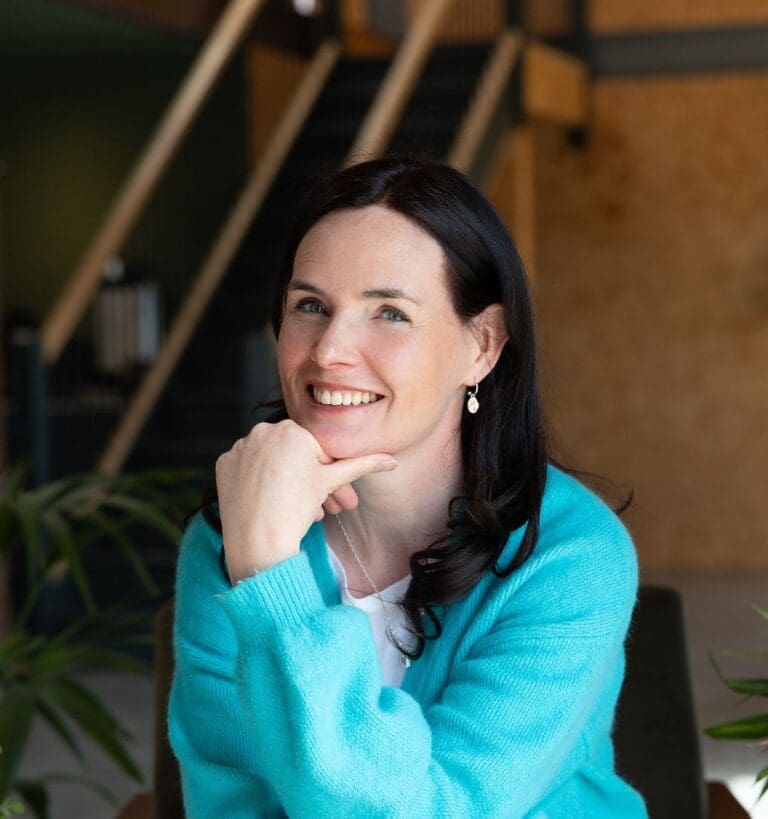
Apparently, we’re most likely to hit the biscuit tin at 3.05pm, which isn’t surprising really when the stretch from lunch to dinner feels like an endurance challenge. As a registered dietitian specialising in midlife health, I could give you plenty of advice on eating well for this stage of life.

How it all started: My own journey to being a menopause champion

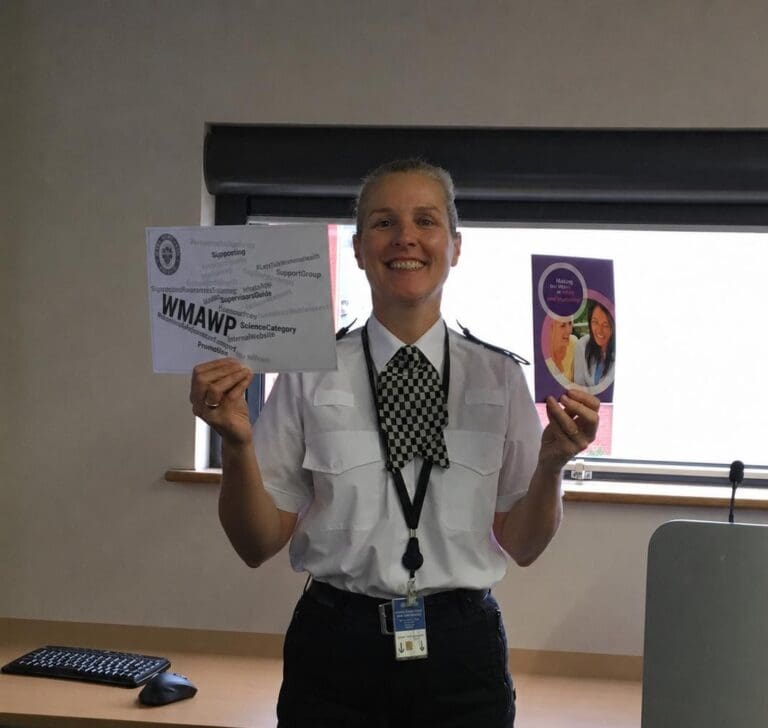
From crippling anxiety to anger to feeling compelled to advocate for others… Lynda Bailey, Founder of Making Menopause Work, tells her personal story of menopause awareness and how it moved her to start to campaign for more support in the workplace.

Why Does Menopause Feel Harder Than It Did for Our Mothers?

One of the comments I hear most often from women is this:

“My mum went through menopause without HRT or therapy. Why am I struggling so much?”

It’s usually followed by another thought that isn’t spoken quite so openly:

“Maybe I should just cope better.”

I don’t think that’s the right conclusion.

What I learnt from my experience of managing menopausal staff

Amy Ison, Therapies Lead at Birmingham Hospice (pictured right), shares her experience of being a younger manager managing menopausal staff, despite having no personal menopause experience herself. She explains what she learnt from embracing the challenge with curiosity and how creating space for open conversations, implementing practical adjustments and valuing lived experience make the difference.

Why menopause is the talent retention issue employers can’t ignore

By Dr Amy Pressland, Head of Talent and Performance, Benenden Health

At a time when UK employers are tackling skills shortages, rising recruitment costs, and renewed pressure on productivity, one of the most significant drivers of attrition remains largely underestimated: menopause‑related sleep disruption.

It’s not just about us…

At Making Menopause Work, we believe it’s important to get the guys involved too.

Because menopause isn’t just a women’s issue. It affects everyone. In every workplace.

Should I Be Taking This? Navigating Supplements For Menopause

By Mel Wakeman MSc. RNutr(Sci), Registered Nutritionist
Walk into any high street health shop or scroll through your social media feed, and you’ll find a dizzying array of menopause supplements promising “relief” from hot flushes, joint “support” and help for anxiety, low energy and mood swings.

Masterclasses can make a real difference

We’re on a mission to normalise menopause in the workplace. One conversation at a time.

Because we’re all about Making Menopause Work – for everyone. As part of that, we believe that better understanding and better support helps everyone feel better about themselves and about their interactions with colleagues.

Promoting the positives of menopause

All too often, it can be all gloom and doom when we’re having menopause conversations. Whether that’s in the workplace, within professional and support networks, or with family or friends.

So it’s important to shine a light on the positives of menopause too.

Championing Women’s Health in the Modern Workplace

By Helen Tomlinson, Head of Inclusion and Employability
For decades, women’s health in the workplace was a topic shrouded in silence. Today, thanks to pioneering leaders and evolving policies, the conversation is changing.

Menopause in the Workplace

By Caroline Jennings, Specialist Employment Barrister
If you are an employee and are struggling at work, do not be disheartened

Diane Danzebrink: Turning Personal Struggle into Global Change

Diane Danzebrink is living proof that personal adversity can be transformed into a powerful force for change. Today, she is widely recognised as a leading voice in the conversation around menopause and mental health, but her journey to becoming a campaigner, consultant, and educator began with her own life-changing experience.

Join our newsletter for regular insights