
What I learnt from my experience of managing menopausal staff
By Amy Ison, Birmingham Hospice
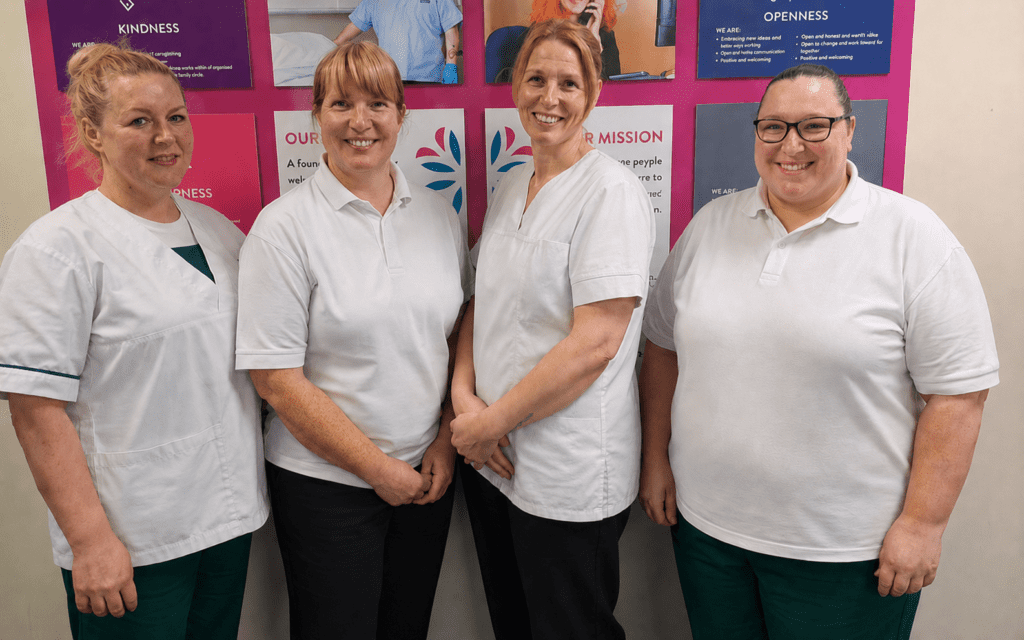
Amy Ison, Therapies Lead at Birmingham Hospice (pictured right), shares her experience of being a younger manager managing menopausal staff, despite having no personal menopause experience herself. She explains what she learnt from embracing the challenge with curiosity and how creating space for open conversations, implementing practical adjustments and valuing lived experience make the difference.
No Personal Menopause Experience
I have worked as a team lead for several years, and in my current role, the team is comprised entirely of women, the majority of who are in the perimenopausal or menopausal stages of life and are experiencing a broad range of symptoms. As a (slightly!) younger women in my thirties, I have not yet personally experienced menopause and had only a basic understanding of it when I joined the team.
I made a conscious decision to be honest with my team about the limits of my own experience and knowledge. I approached menopause from a place of curiosity and with a commitment to ongoing learning. As I hold the belief that effective leadership does not need to mean having all the answers, but to be willing to listen, learn, and respond to individual needs.
Creating an Open Culture
Menopause is discussed openly in the office and within one‑to‑one supervision sessions, alongside other health or wellbeing considerations, allowing staff to raise concerns proactively and at a time that feels appropriate for them. This helped create an environment in which menopause-related conversations could take place without stigma or discomfort.
This openness has helped to create a team culture where we are able to attend work as our whole selves, without pressure to conceal or minimise their experiences. Team members are reassured that symptoms such as hot flushes, fatigue, brain fog, or emotional changes are understood as legitimate health considerations rather than personal shortcomings. This helps reduce any anxiety, increases trust, and contributes to positive working relationships across the team.
Reasonable Adjustments and Practical Support
Meaningful conversations have helped to ensure that practical workplace adjustments can be made. One example is the open discussion of hot flushes and temperature regulation. Desk arrangements were then made so that a colleague who experiences hot flushes frequently is seated near a window, enabling them to regulate airflow independently and without the need to ask others. To maintain comfort for others, fleeces are provided by the organisation and can be worn as needed, and additional desk fans are available to any team member who may benefit from them.
Adjustments can be simple, low‑cost, and flexible but can have had a significant positive impact. They demonstrate respect, preserve dignity, and enable staff to remain focused and productive rather than needing to use energy managing discomfort or embarrassment. These measures have been discussed and implemented collaboratively, ensuring they meet individual needs while maintaining fairness across the team.
Organisational Learning and Professional Development
Our hospice runs a bi‑monthly Menopause Café, providing a space for staff to share experiences, access peer support, and develop knowledge. I have chosen to attend these sessions to broaden my understanding and to help me have a better insight into the experiences shared by my team. Combined with the openness and generosity of colleagues who have been willing to educate me through their lived experience, this has greatly improved my confidence in having informed, sensitive, and constructive conversations about menopause in the workplace.
As a result, I now feel well‑equipped to identify appropriate support strategies, signpost to organisational resources, and advocate for reasonable adjustments. This learning has also increased my own preparedness for managing menopause in the future, and the benefits of learning and shared knowledge within teams.
Reframing Menopause as Strength
My own learning has come from observing and listening to the women I lead. While menopause is often framed solely in terms of challenges or deficits, my experience has shown that it can also represent a period of significant professional strength. This stage of life frequently follows many years of clinical, organisational, and relational experience, often alongside substantial caring responsibilities outside of work.
I have consistently observed that many team members demonstrate increased confidence, clarity, and assertiveness. They are often less constrained by external perceptions, more willing to articulate their needs, and more direct in sharing professional opinions and insights. This has enriched team discussions, strengthened decision‑making, and positively influenced team dynamics.
Reflection and Learning
This experience has reinforced for me the importance of compassionate, inclusive leadership that recognises menopause as a normal life stage rather than a problem to be managed. Creating space for open conversations, implementing practical adjustments, and valuing lived experience have all contributed to a supportive and well‑functioning team environment.
I also feel it reinforces the benefits to organisations of retaining and supporting experienced women in the workplace. By responding thoughtfully to menopause, we can not only improve wellbeing and retention but also harness the considerable strengths, insight, and resilience that women at this stage of life bring to their roles.