Why we eat the way we do at work (and how to make it easier)
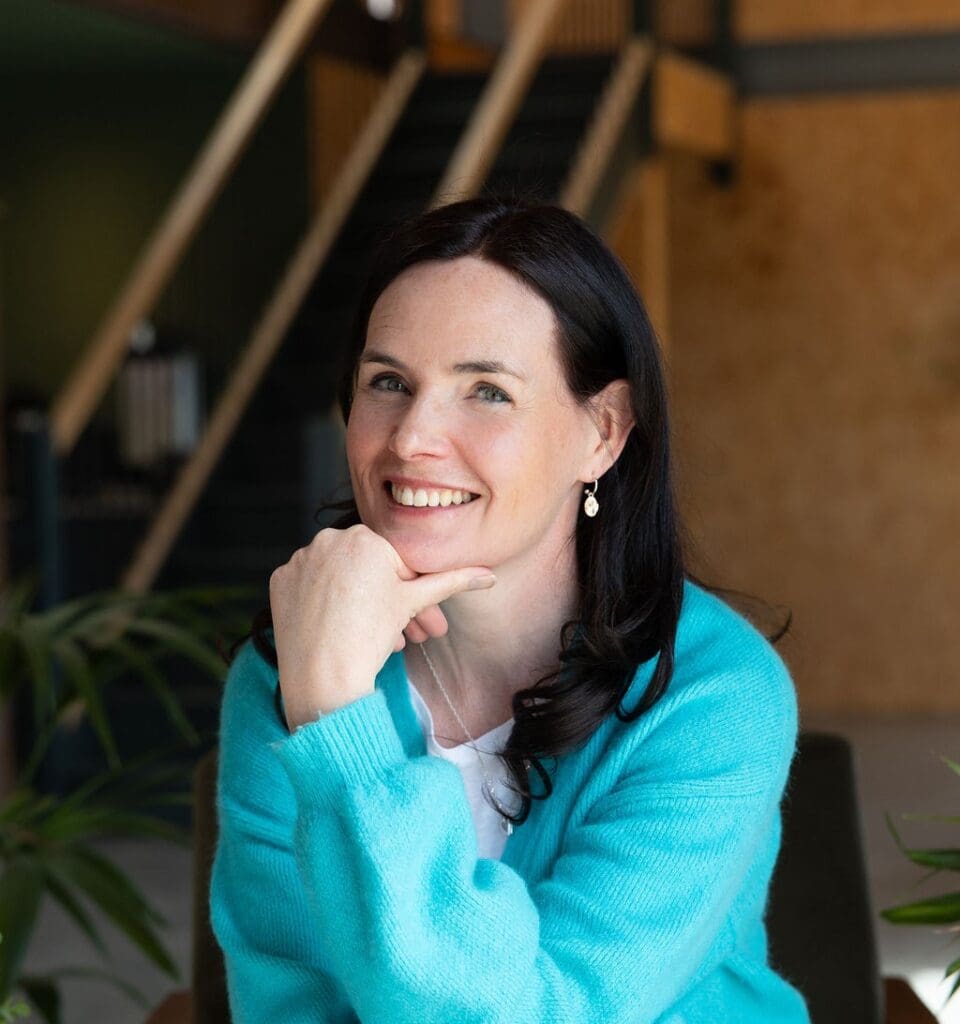
By Laura Clark – Registered Dietitian and founder of The Menopause Dietitian and the Anchor Framework
Apparently, we’re most likely to hit the biscuit tin at 3.05pm, which isn’t surprising really when the stretch from lunch to dinner feels like an endurance challenge. As a registered dietitian specialising in midlife health, I could give you plenty of advice on eating well for this stage of life. However, as a food therapist, I’m always drawn into the why. After all, many of us know lots about healthy eating, but don’t necessarily achieve it very often.
Habits unfold at work because of the pressures we’re under, whether that be mindless snacking and a conveniently placed vending machine, keyboard dining over lunch, or an anxiety filled morning that leaves no room for breakfast.
Our instinct might be to judge our behaviour, and to vow to try harder tomorrow, but if we keep ourselves stuck in this familiar cycle of guilt and self-blame, we’re missing an opportunity to get curious and in so doing, create more nourishing habits that actually feel sustainable.
The impact of menopause
I think in midlife and around the time of the menopausal transition this is even more important as our bodies can start behaving in ways that feel unfamiliar. The temptation of course, is to double down. This used to work. Why isn’t it working now? What am I doing wrong? Perhaps I just need more discipline.
For women who have historically been able to make things happen through sheer effort, it can be genuinely unsettling when the familiar levers stop producing the familiar result. The instinct is to reach for more control: eat less, track more, push harder.
But let’s first consider the biological environment we now find ourselves in. Fluctuations and eventual lowering of oestrogen levels favour more abdominal fat storage accompanied by loss of lean muscle mass. Depending on our circumstances, we may also come up against symptoms that influence the picture, for example poor sleep, low mood and sugar cravings. Needless to say, it’s more complex than we’re led to believe.
The impact of work
The drive and self-motivation it takes to succeed at work is real, finite effort and it tends to get spent where the stakes feel highest. That often means very little is left over for the things that seem, by comparison, low stakes. Breakfast, for instance. A proper lunch break. Noticing you’re thirsty etc.
None of this is a character flaw. It’s simply where the mental capacity has gone. If a working day has already asked for sustained focus, quick decisions and a fair amount of emotional labour before midday, it’s little wonder that “what should I eat” ends up answered on autopilot or not asked at all. Whilst we may judge our decisions later, it’s important to remember that capability does not automatically equal capacity.
When rules become a stand-in for control
There’s also a quieter reason many of us reach for tighter rules around food and exercise in the first place: they offer a sense of control in an environment that often feels anything but controllable. Deadlines shift, priorities change hour to hour, other people’s demands take precedence over our own, but a food rule is something we can, in theory, keep to.
The trouble is that this can be taken to extremes, and it often connects to deeper-rooted beliefs than we realise – a sense that we need to be disciplined to be worthy, or that being “good” with food is a stand-in for being generally in control of life. Add to that the general cultural sense that nutrition should look a certain way to count as sufficiently optimal, and it’s easy to see why so many of us end up disconnected from what our bodies are actually signalling, particularly in fast-paced work environments where there’s little time to check in.
In reality, this nuanced picture and one that requires compassion and flexibility, not a harder cracking of the whip so here are some gentle reflections to help you do it differently.
How to achieve nourishing habits at work – useful reflections
Notice and move away from all-or-nothing thinking
Whilst it can serve us well in some areas of life it tends to land badly in nutrition, because real life calls for habits that can flex to what a person actually needs on any given day. And that need will differ depending on sleep, stress levels, exercise, hormones, and cognitive demand – all of which shift constantly, especially during menopause.
Tune in
One helpful shift is learning to notice hunger as a range rather than a switch that’s either on or off. Before reaching for something, a brief pause to ask “how hungry am I, what do I need right now” – without judgement, and without immediately overriding the answer, can begin to rebuild trust in signals that a busy day tends to drown out.
Make peace and embrace ‘good enough’
We may hold the belief that if something can’t be done perfectly, it isn’t worth doing at all. If I don’t have the resource to make it look like that, I won’t bother. This kind of thinking can be genuinely paralysing, and it tends to rule out exactly the small, imperfect, “good enough” actions that would actually help.
Be wary of messaging that promotes ‘optimisation’
The basics aren’t sexy. They don’t sound optimised, or like they’re dramatic enough to be worth the effort. And yet they’re remarkably effective, not least because they’re sustainable, which serves both physical and mental health, and day-to-day wellbeing, far better over the long term than anything requiring perfect conditions to work.
Laura Clark
Specialising in nutrition, behaviour change and emotional wellbeing in midlife, Laura brings over 20 years’ experience and a compassionate, evidence-based approach to helping women build sustainable habits that support body and mind.
She has contributed to BBC television and radio, authored the menopause and nutrition chapter in the Manual of Dietetic Practice, and regularly delivers workplace wellbeing sessions and masterclasses.